
Quick summary
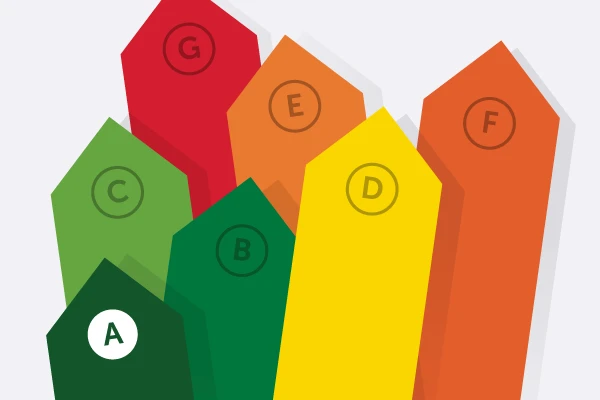
An energy label is mandatory when selling a home: without a valid label, the seller risks a fine and the sales process can stall. A low label (for example, D through G) usually doesn’t come with a “fixed” price cut, but it can reduce interest, trigger tougher negotiations, and stretch the timeline—especially in places like Geldrop-Mierlo, where buyers often compare monthly costs and the amount of work needed to improve energy efficiency.

- The energy label must be available when selling and is shown in the listing (for example on Funda).
- Expect direct costs for the label itself (inspection/registration) and indirect costs: more questions, more uncertainty, and sometimes a lower willingness to bid.
- The label isn’t a final grade—it’s a story: insulation, glazing, systems, and proof (invoices) determine whether buyers believe your upgrades.
- Smart timing: get the label + documentation in order first, then go live with photography and viewings.
- Metselaars Makelaardij links the label to presentation and bidding strategy so the label doesn’t work “against” the seller.
Introduction
A home can look flawless in photos and still spark debate during a viewing. One question can steer the entire conversation: “What’s the energy label situation?” In Geldrop-Mierlo, that question comes fast—because many buyers run the numbers on monthly costs before they ever set foot inside. And because energy prices and sustainability upgrades no longer feel like “nice-to-haves.”
Metselaars Makelaardij is a regional NVM real estate agency based in Nuenen, guiding private clients through buying, selling, and valuing homes, with a strong focus on personal service and local market knowledge. In day-to-day practice, they see sellers arrange the energy label too late—not out of stubbornness, but because it sounds like paperwork.
The real impact is far more practical: timing. The right moment to list your home is rarely just “now” or “after summer.” It’s also about when your file is complete, negotiation risks are removed, and the label supports your home’s story instead of undermining it.
The challenge
Why a low energy label can work against your selling timeline
A low energy label creates friction in the buying process: it gives buyers a reason to hesitate, add conditions, or pressure-test the price. And that impact is often less about a strict euro-amount-per-letter, and more about speed and trust.
Picture a move-up buyer (27) looking for a terraced house in Geldrop-Mierlo, already having spoken with a mortgage advisor. They walk in with a checklist: “HR++ glazing? Cavity wall insulation? Boiler age? Ventilation?” With an E label, that checklist gets longer—and sharper. The viewing becomes less about how the home feels, and more about risk.
Mandatory is clear—real life is messy
The energy label is mandatory when selling. But in many sales files, something doesn’t add up: the label is outdated, insulation was added later, or proof is nowhere to be found. That’s exactly when friction appears—right when you want momentum.
Many sellers want to move quickly: schedule photos, publish on Funda, start viewings. But if the label is only arranged afterwards, the listing may need updates mid-stream or a keen buyer has to wait for extra info. That’s a missed opportunity, because buyers around Eindhoven often decide quickly.
The hidden price of “uncertainty”
A low label doesn’t automatically mean “price down.” But it does more often lead to:
- requests to have systems checked;
- detailed questions about insulation performance (not just “is it insulated?” but “what thickness, what year?”);
- offers with a bigger safety margin.
Metselaars Makelaardij sees this pattern most: when a seller can’t back things up (invoices, photos, inspection reports), buyers assume the worst. Then the label isn’t the real issue—the lack of evidence is.
Practical takeaway: Only go live once (1) you know the label, (2) upgrades are backed by evidence in a folder, and (3) you can answer the three most critical energy questions upfront.
The solution approach
Energy label when selling: upgrade first—or sell now?
The choice between upgrading first or selling now is both a numbers game and a timing decision: not every measure pays back in the sale price, but some measures pay back through faster trust and less negotiation pressure.
Imagine an owner (58) in Geldrop-Mierlo selling a 1970s corner house. There is cavity wall insulation—but no proof. The boiler is 12 years old. The question isn’t only “should we do something?” but “what’s the smallest step that makes the story believable?”
Counterintuitive insight: a higher label isn’t always the best move
A higher energy label isn’t automatically a win. In some cases, rushing to jump a label step (through a measure that may or may not count) adds little real trust—while costing time, scheduling headaches, and contractor stress.
What often works better in practice:
- evidence and transparency (invoices, completion notes, photos of insulation);
- clarity on comfort (draughts, damp, ventilation);
- a realistic upgrade path for the buyer (what can wait, what’s urgent).
A buyer who understands what’s already done—and what’s still possible—often bids more calmly than a buyer who only sees a letter.
The 4-step approach that takes the tension out of the label
Metselaars Makelaardij typically treats this as a pre-listing file-building track:
- Label check: Is there already a valid label, and does it match the current situation?
- Build the evidence folder: invoices, warranties, photos, maintenance (boiler/WTW), insulation documentation.
- Shape the sales narrative: what counts, what residents feel day-to-day, and what the logical next step is.
- Choose timing: only publish once the listing, label, and documentation are consistent in one go.
Do this well, and viewings don’t turn into technical interrogations.
Practical takeaway: If the upgrades you’d need require more than 6–8 weeks of planning, focus first on the evidence folder + label + presentation, then sell with an honest improvement roadmap.
Real-world example
What does a sales process look like when the energy label is low—but the story is solid?
A low energy label is sellable if you make the buyer’s risk feel manageable. That doesn’t happen with marketing language—it happens with structure.
Real-world example: A typical local NVM real estate agency scenario (home sales, buying guidance, off-market sales, valuation/appraisal)
Imagine a young heir (24) selling the family home. It’s a 1968 semi-detached house with an E label. Some work was done in the past: roof insulation and partial double glazing. But no one knows exactly when—and the invoices are missing.
They want to choose “the right moment” to sell. There’s emotion, but also pressure: the bills keep coming and the house is empty. An approach like Metselaars Makelaardij often starts not with advertising, but with building the file:
Step 1: the energy Q&A before the first viewing
The agent works with the seller to gather three types of information: (1) what’s visible (glazing, boiler, radiators), (2) what’s likely but not proven (cavity wall), (3) what’s unknown (floor insulation).
Step 2: update the label and explain any differences
If the label is old or doesn’t match the current state, a new label is requested—not to “buy a better letter,” but to prevent arguments about inconsistencies.
Step 3: presentation that doesn’t hide the energy weak spot
The home isn’t marketed as “well insulated” if that can’t be proven. Instead, the listing is honest about what’s been done and clearly outlines what a buyer could logically improve.
In this scenario, that honesty shifts the viewing back to layout, garden, and location—instead of pure risk management.
Practical takeaway: Before going live, write three lines you can copy straight into the brochure: what’s proven upgraded, what’s likely, and what hasn’t been done yet.
Results and benefits
What does a strong energy-label file do for offers and time on market?
A strong energy-label file mainly creates predictability: less noise during viewings, fewer “subject to” offers, and fewer last-minute debates when drafting the purchase agreement.
Take a pair of first-time buyers (26 and 28) viewing two similar homes in Geldrop-Mierlo: both around 110 m², both with a west-facing garden. Home A has a D label and a folder with invoices for HR++ glazing plus a recent boiler service receipt. Home B has a D label, but “the previous owner probably did something.” In practice, Home A moves up the shortlist—because it feels less risky.
Four measurable sales KPIs the label influences
Without making up exact percentages (they vary by street and moment), these are the markers agents watch in practice:
- Number of viewings until a serious offer: more doubt often means more rounds.
- Number of conditions in the offer: energy uncertainty triggers additional checks.
- Time from first viewing to offer: clarity helps buyers decide faster.
- Negotiation room on price: uncertainty often gets priced in.
One table that makes the choice concrete
The comparison below helps sellers choose between “just get the label” and “small measures + label.” Amounts are realistic market ranges (vary by provider and home type) and meant as a decision tool—not a quote.
| Option before listing | Direct costs (range) | Lead time | Effect on buyer confidence | When does it make sense? |
|---|---|---|---|---|
| Apply for an energy label only | €200–€400 | 1–2 weeks | Medium: the rating is clear, but questions remain | When upgrades aren’t realistic anymore |
| Label + evidence folder (invoices, maintenance, photos) | €200–€600 | 1–3 weeks | High: less debate during viewings | When work was done but poorly documented |
| Label + small fixes (draught-proofing, radiator foil, LED, sealing gaps) | €300–€1.000 | 1–2 weeks | Medium-high: comfort improves; label doesn’t always rise | When the home feels “cold” during viewings |
| Label + major upgrades (glazing/insulation/boiler) | €2.500–€15.000+ | 4–12 weeks | High, but only if provable and well executed | When timing allows and the sale date is flexible |
Metselaars Makelaardij ties these choices to the sales calendar: get the basics right first, then take the home public. Do that well and you don’t necessarily sell later—you sell with less stress.
Practical takeaway: Don’t measure success by the letter. Measure it by: (1) fewer conditions in offers, (2) faster decisions, (3) less negotiation noise.
Key insights
Which steps determine the right moment to list your home with an energy label?
The right moment to list is when your energy label, your evidence, and your presentation all match—at the same time. That’s a stricter definition than “before spring” or “after the holidays,” but it stops you going live with loose ends.
For example, a senior (71) downsizing and selling the family home often has plenty of improvements made over the years—but not all paperwork is still there. Metselaars Makelaardij frequently sees homes that are technically fine but administratively messy. That creates unnecessary questions.
The energy-label checklist that actually works in practice
Not a long list—just what truly comes up during viewings:
- Label status: valid and aligned with the current situation.
- Systems: installation year and last service of the boiler or heat pump.
- Insulation and glazing: what, where, and when.
- Ventilation: how moisture is managed (and whether it’s visibly addressed).
Link this to valuation and negotiation
If someone doubts the right selling moment, they often start with value: “What is the house worth right now—with this label?” A valuation or appraisal can act as a baseline. Metselaars Makelaardij uses that baseline to prioritise: what’s “cosmetic,” what builds “confidence,” and what truly adds “value.”
That’s where a free valuation that includes the energy label can help sellers quickly see where buyers are most likely to probe. And in complex situations (inheritance, divorce, financing), a well-substantiated appraisal is often the strongest foundation.
If you want to run a tight process, you can combine this with the framework in the decision points that keep a home sale on track, applied specifically to energy and timing.
This article follows the E-E-A-T quality guidelines.
Sources (regulation & guidance): The obligation and basic rules around an energy label when selling are described, among others, by the Dutch central government (Rijksoverheid, page “Energielabel voor woningen”, consulted 2026) and by the European Union in the Energy Performance of Buildings Directive (EPBD; revision 2024). For practical guidance on requesting and registering labels, Rijksoverheid typically refers to official portals/providers.
Practical takeaway: Plan a “paperwork week” before photography: check the label, fill the evidence folder, and prepare three standard answers for viewings.
Frequently asked questions
Is an energy label mandatory when selling a home?
Energy label requirement means a seller must be able to provide a valid energy label at sale, and the label should be visible in the home presentation. Without a label, the seller may risk a fine and delays often arise due to follow-up questions. (See also: Rijksoverheid, “Energielabel voor woningen”, consulted 2026.)
How much does an energy label cost for a home?
Energy label costs are usually in the €200–€400 range, depending on the type of property and the provider. Sometimes there are additional costs if a lot of research is needed or documentation is missing. In practice, pricing varies by region and home type.
Does a low energy label always reduce the sale price directly?
Price impact isn’t fixed per label letter, because location, property type, and finish level matter a lot. A low label does more often lead to extra conditions and tougher negotiation—especially if proof of insulation and systems is missing.
How can Metselaars Makelaardij help if the label is low?
File-first approach is where Metselaars Makelaardij stands out: get the label status and evidence folder in order first, then go live with presentation and viewings. That suits sellers in Geldrop-Mierlo who want to keep pace without turning viewings into energy debates.
When is the right time to list if you still want to improve energy efficiency?
Timing rule: if upgrades require more than 6–8 weeks of planning, it’s often smarter to sell with a clear improvement roadmap and strong proof of what’s already been done. If small comfort improvements can be completed in 1–2 weeks and remove a “cold feel,” they’re often worth doing first.
Conclusion
An energy label is mandatory when selling a home—but the real question is whether you let the label dictate your sale, or you take control of the process. In Geldrop-Mierlo, buyers compare quickly. A low label becomes expensive mainly when it creates uncertainty. And that uncertainty almost always comes from missing evidence—not from a single letter.
That’s why Metselaars Makelaardij treats the label as part of timing: first get the file watertight (label, proof, story), then go live with photos and viewings. It may feel less “urgent,” but it’s often the fastest route to a calm negotiation. If you’re unsure about timing, start with a valuation and factor energy questions in straight away via Metselaars Makelaardij’s approach to sales preparation.